
Electronic Waste Disposal
Technology has become an inseparable part of our daily lives. From computers and laptops to printers, photocopiers, scanners, and smartphones, electronic devices help us work smarter and faster. However, as technology advances, these devices become obsolete more quickly, creating an alarming rise in electronic waste (e-waste).
Today, e-waste is one of the fastest-growing waste streams in the world. Without proper disposal and recycling, discarded electronic equipment can cause severe environmental pollution and pose significant health risks. According to the World Health Organization (WHO), e-waste contains hazardous substances that can contaminate air, water, and soil when handled improperly.
What is E-Waste?
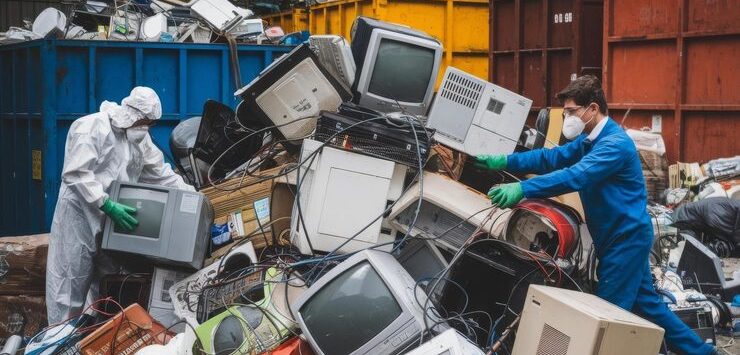
E-waste refers to discarded electrical and electronic devices that have reached the end of their useful life. Common examples include:
- Desktop computers and laptops
- Printers and photocopiers
- Mobile phones and tablets
- Monitors and televisions
- Keyboards, mice, and accessories
- UPS systems and batteries
- Networking devices and electronic cables
Many of these devices still contain valuable materials like copper, gold, and aluminum, making proper recycling both environmentally and economically beneficial.
Why is E-Waste Growing So Rapidly?
Several factors contribute to the increasing volume of e-waste:
1. Rapid Technological Advancements
New models with improved features encourage frequent upgrades.
2. Short Product Life Cycles
Many electronic products become outdated within a few years.
3. Rising Consumer Demand
Businesses and individuals continuously replace old equipment with newer technologies.
4. Lack of Awareness
Many people are unaware of proper recycling methods and simply discard electronics with household waste.
Environmental Impact of E-Waste
Improper disposal of electronic waste can have serious environmental consequences.
Soil Pollution
Heavy metals such as lead, mercury, and cadmium can seep into the soil, affecting agriculture and ecosystems.
Water Contamination
Hazardous chemicals from landfills may enter groundwater and nearby water bodies.
Air Pollution
Burning electronic components releases toxic gases that contribute to air pollution.
Loss of Valuable Resources
Improper disposal wastes recoverable materials that could otherwise be reused through responsible recycling.
Health Risks Associated with E-Waste
Exposure to toxic substances found in electronic waste may lead to:
- Respiratory problems
- Neurological disorders
- Kidney and liver damage
- Skin irritation
- Developmental issues in children
Workers involved in informal recycling without protective equipment face particularly high health risks.
How Businesses Can Reduce E-Waste
Organizations play a vital role in sustainable e-waste management.
Some best practices include:
- Upgrade devices only when necessary.
- Repair equipment instead of replacing it.
- Donate working electronics to schools or charities.
- Recycle through authorized e-waste recyclers.
- Ensure secure data destruction before disposing of computers or storage devices.
- Purchase energy-efficient and environmentally certified products.
The Importance of Responsible Copier and Printer Disposal
Office equipment such as photocopiers, printers, scanners, and multifunction devices often contain recyclable plastics, metals, circuit boards, and toner components.
Rather than disposing of them in landfills, businesses should ensure these machines are recycled responsibly. This helps reduce environmental impact while recovering valuable materials for future manufacturing.
The Way Forward
Governments, businesses, manufacturers, and consumers all share responsibility for reducing electronic waste.
Simple actions such as repairing devices, recycling responsibly, extending product life, and supporting certified recycling programs can significantly reduce the growing e-waste crisis.
A sustainable future depends on how responsibly we manage today’s technology.
Conclusion
E-waste is no longer just an environmental issue—it’s a global responsibility. As our dependence on technology continues to grow, so does the need for responsible disposal and recycling practices.
Whether you’re replacing an old computer, upgrading office printers, or disposing of photocopiers, choosing environmentally responsible recycling helps protect our planet for future generations.
Every electronic device recycled responsibly is one less threat to the environment—and one more step toward a cleaner, greener world.