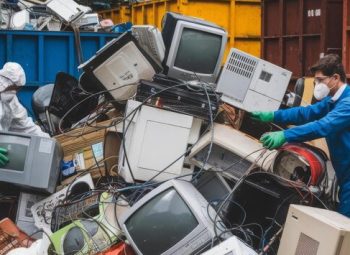


E-Waste Compliance
Every organization relies on electronic devices to keep operations running smoothly. Computers, laptops, printers, photocopiers, scanners, servers, and networking equipment are essential assets in modern workplaces. However, as technology evolves, these devices eventually become outdated, damaged, or obsolete.
The question every business should ask is:
“Is your organization disposing of electronic waste in compliance with e-waste regulations?”
Improper disposal of electronic waste (e-waste) is not only harmful to the environment but can also expose organizations to legal, financial, and reputational risks. Following recognized e-waste management practices helps businesses protect sensitive data, support sustainability, and contribute to a cleaner environment.
What is E-Waste?
Electronic waste, commonly known as e-waste, includes discarded electrical and electronic equipment that has reached the end of its useful life.
Examples include:
- Desktop computers
- Laptops
- Photocopiers
- Printers
- Scanners
- UPS systems
- Servers
- Networking devices
- Keyboards, mouse, and accessories
- Electronic cables and peripherals
Many of these products contain recyclable materials such as aluminum, copper, steel, plastics, and even precious metals. At the same time, they may also contain hazardous substances that require safe handling.
Why E-Waste Compliance Matters
Organizations generate electronic waste regularly through equipment upgrades, office relocations, or infrastructure modernization.
Proper compliance helps businesses:
- Protect the environment
- Reduce landfill waste
- Prevent hazardous material contamination
- Ensure secure disposal of confidential business data
- Support corporate sustainability goals
- Demonstrate responsible business practices
Responsible e-waste management is becoming an important part of Environmental, Social, and Governance (ESG) initiatives adopted by many organizations worldwide.
Common E-Waste Compliance Requirements
Although regulations differ from country to country, most e-waste frameworks encourage organizations to follow these best practices:
1. Segregate Electronic Waste
Separate electronic waste from general office waste.
Store obsolete equipment safely until it can be collected for recycling.
2. Work with Authorized E-Waste Recyclers
Always choose certified or government-authorized recycling partners to ensure electronic equipment is processed safely and responsibly.
3. Ensure Secure Data Destruction
Before disposing of computers, laptops, servers, or storage devices, permanently erase or destroy sensitive business data.
This helps prevent data breaches and protects customer information.
4. Maintain Disposal Records
Keep documentation of e-waste collection and recycling activities for internal audits and sustainability reporting.
5. Promote Employee Awareness
Educate employees on proper e-waste disposal procedures and encourage responsible use of electronic equipment.
Risks of Non-Compliance
Ignoring proper e-waste management can result in:
- Environmental pollution
- Unsafe disposal practices
- Increased business risk
- Data security breaches
- Damage to corporate reputation
- Difficulty meeting sustainability commitments
Even if regulations vary by region, responsible disposal remains a best practice for every organization.
Best Practices for Sustainable IT Asset Disposal
Organizations can significantly reduce e-waste by adopting simple strategies:
- Extend the lifespan of electronic equipment through regular maintenance.
- Repair devices whenever possible instead of replacing them immediately.
- Reuse working equipment within different departments.
- Donate functional devices to educational or charitable organizations where appropriate.
- Recycle end-of-life electronics through authorized recycling channels.
- Purchase energy-efficient and environmentally certified products.
How ComputoCopier Supports Responsible Businesses
At ComputoCopier, we understand that businesses depend on reliable office technology while also striving to operate responsibly.
Whether you’re upgrading office printers, replacing photocopiers, or modernizing your IT infrastructure, planning the responsible disposal of outdated equipment is an important step toward sustainable business operations.
Choosing environmentally responsible solutions not only protects the planet but also demonstrates your organization’s commitment to responsible corporate practices.
Conclusion
E-waste compliance is no longer just an environmental responsibility—it is an essential part of modern business governance.
Every organization should establish clear procedures for managing obsolete electronic equipment, protecting sensitive data, and supporting responsible recycling practices.
By making e-waste compliance a priority, businesses can reduce environmental impact, strengthen corporate responsibility, and contribute to a more sustainable future.